
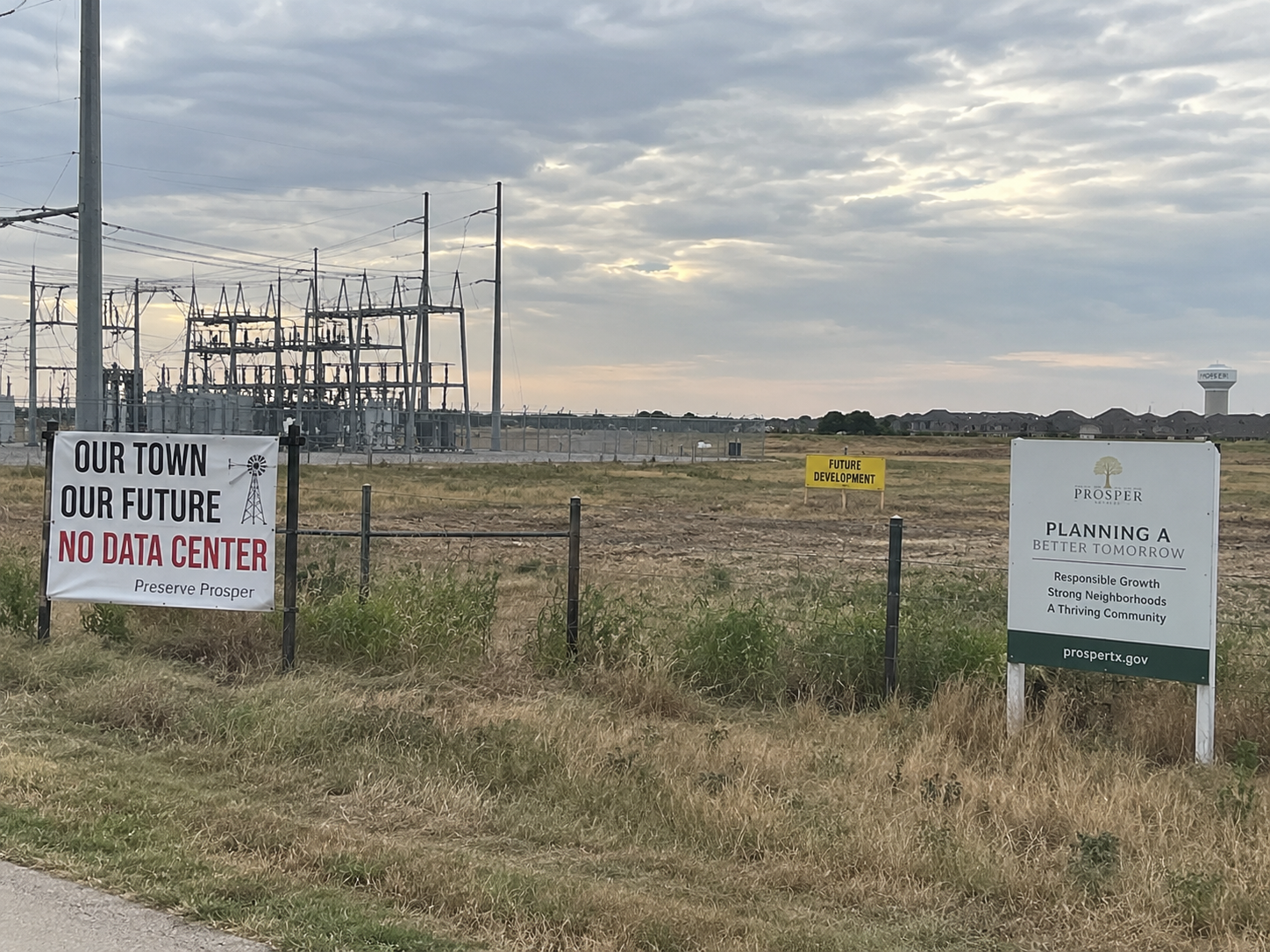
Projects with unusually large infrastructure footprints increasingly require another category of diligence: political and community feasibility. Project Tomahawk demonstrates why.
CEQA Reform Did Not End the Search for Certainty
California lawmakers sent Senate Bill 954 to the governor’s desk this week, and coverage has settled into a familiar pattern. Environmental groups call it a workable compromise, while business groups say it goes too far.
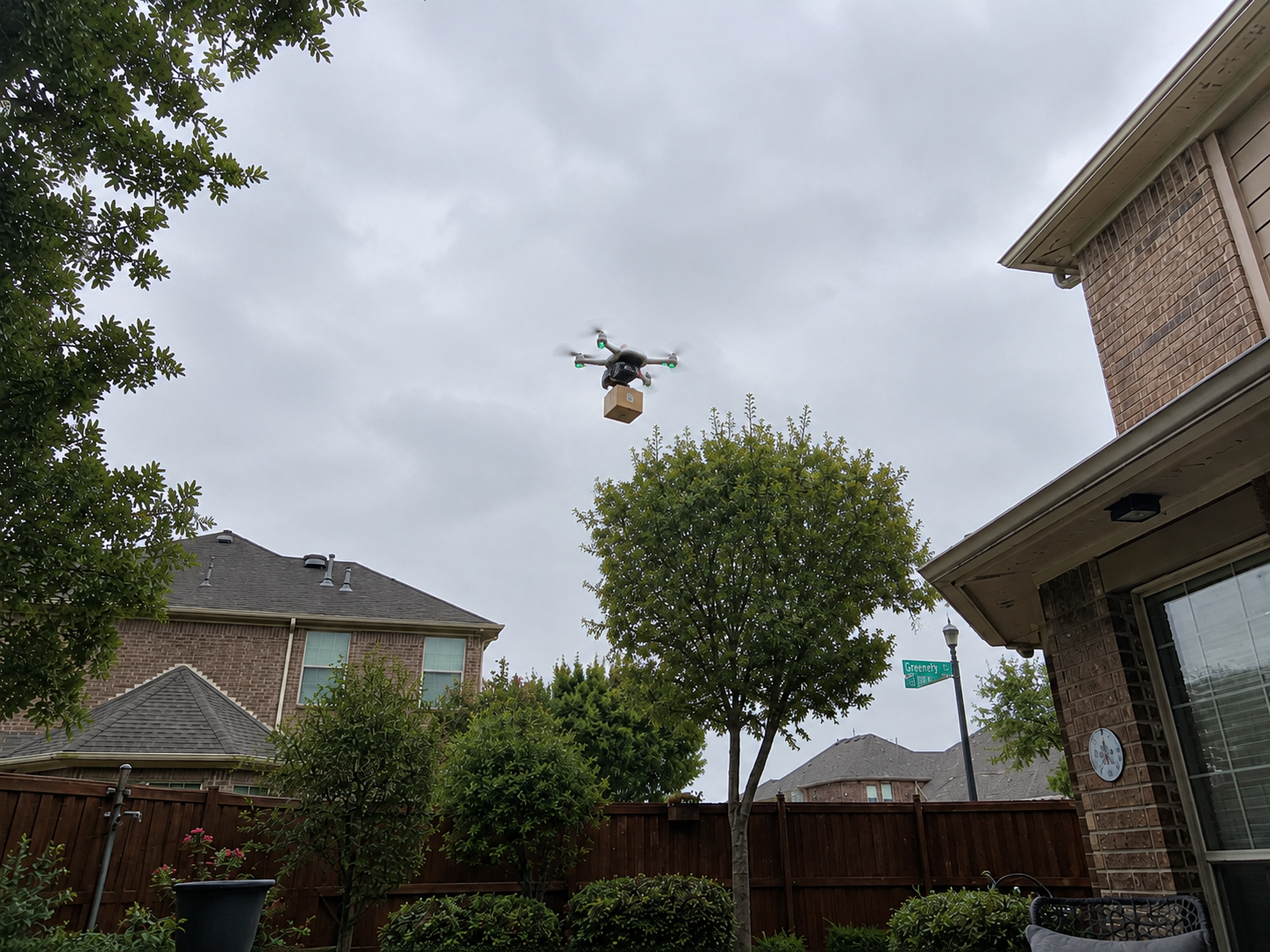
Zoning is a parcel-based instrument. Drone delivery is a radius-based entitlement.
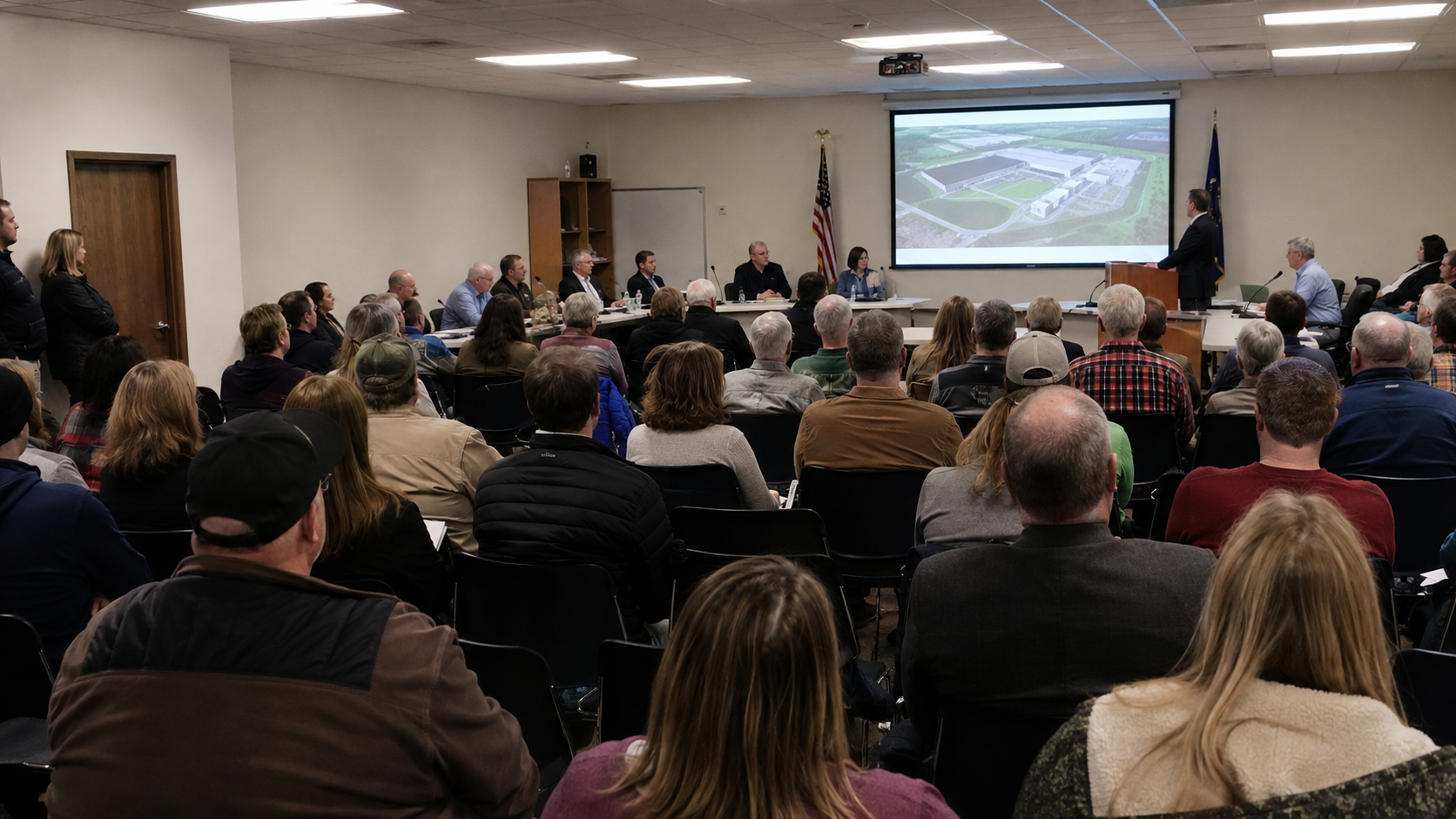
For years, developers have treated community engagement as a part of the entitlement process. Pennsylvania has just moved it much closer to the front of the line.

Reuters reported this week that the banks financing the U.S. data center boom have added a line to their diligence checklists: political and community opposition. Karen Fang, who runs infrastructure and sustainable finance at Bank of America, told Reuters she looks at two things: project readiness and credit quality. She defined readiness as the permits and approvals a project needs, plus the support of the people who will live around it. Research firm Data Center Watch counted at least 75 projects worth roughly $130 billion facing local opposition in the first quarter of 2026 alone.
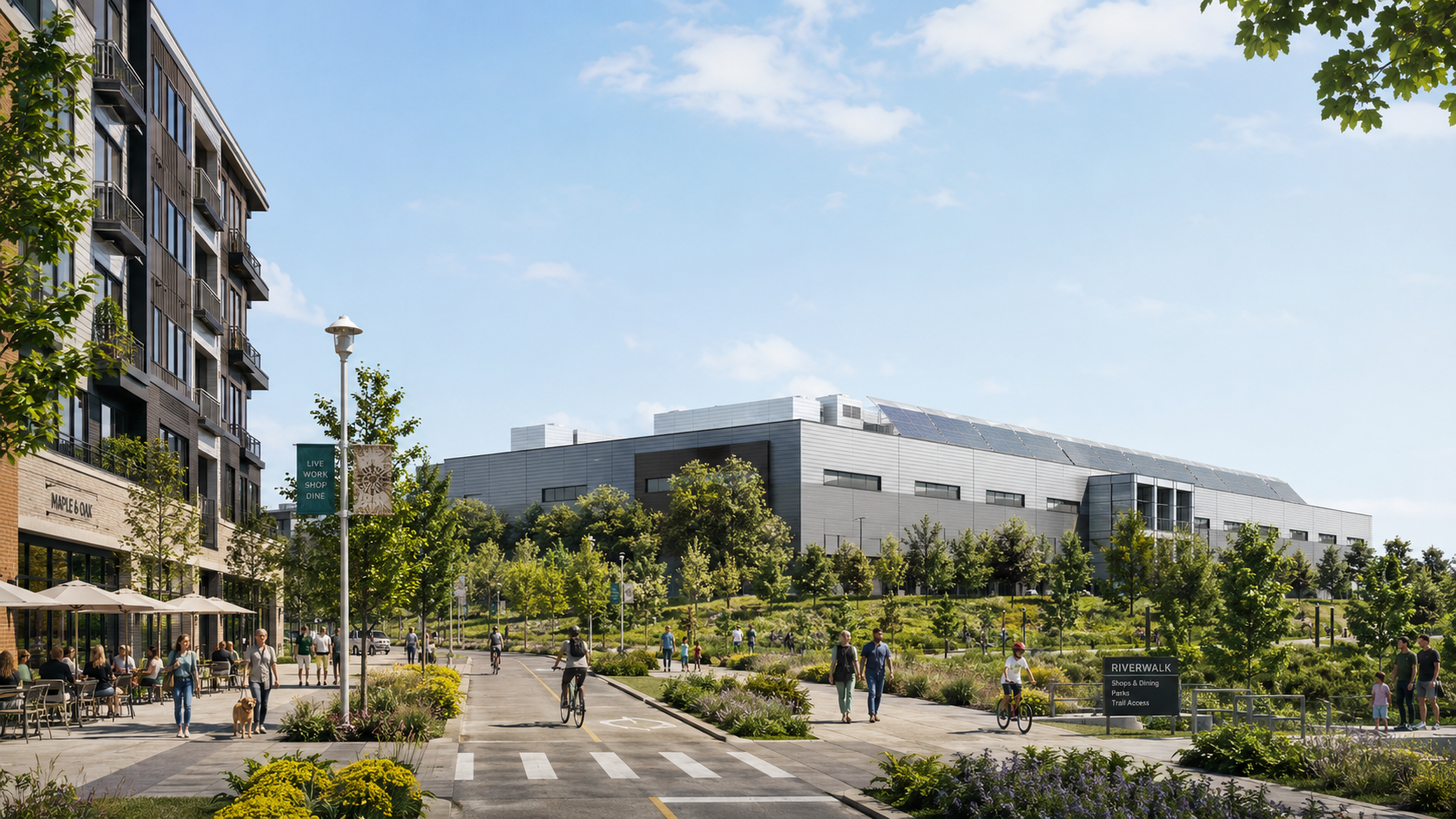
Beyond the Check: How to Turn a Community Benefits Agreement Into a Community "Yes"

BP's Lightsource bp is moving its Big Bronco solar-and-storage project forward in Adams County, Colorado. The project totals roughly 300 megawatts of solar paired with 300 megawatts of battery storage and is backed by a reported $675 million in private investment. Public figures estimate $39 million in new local tax revenue and about 400 jobs at peak construction. By most accounts, it has been a smooth ride: willing landowners, a site that steers clear of sensitive areas, and little of the organized community opposition that stalls so many energy projects.
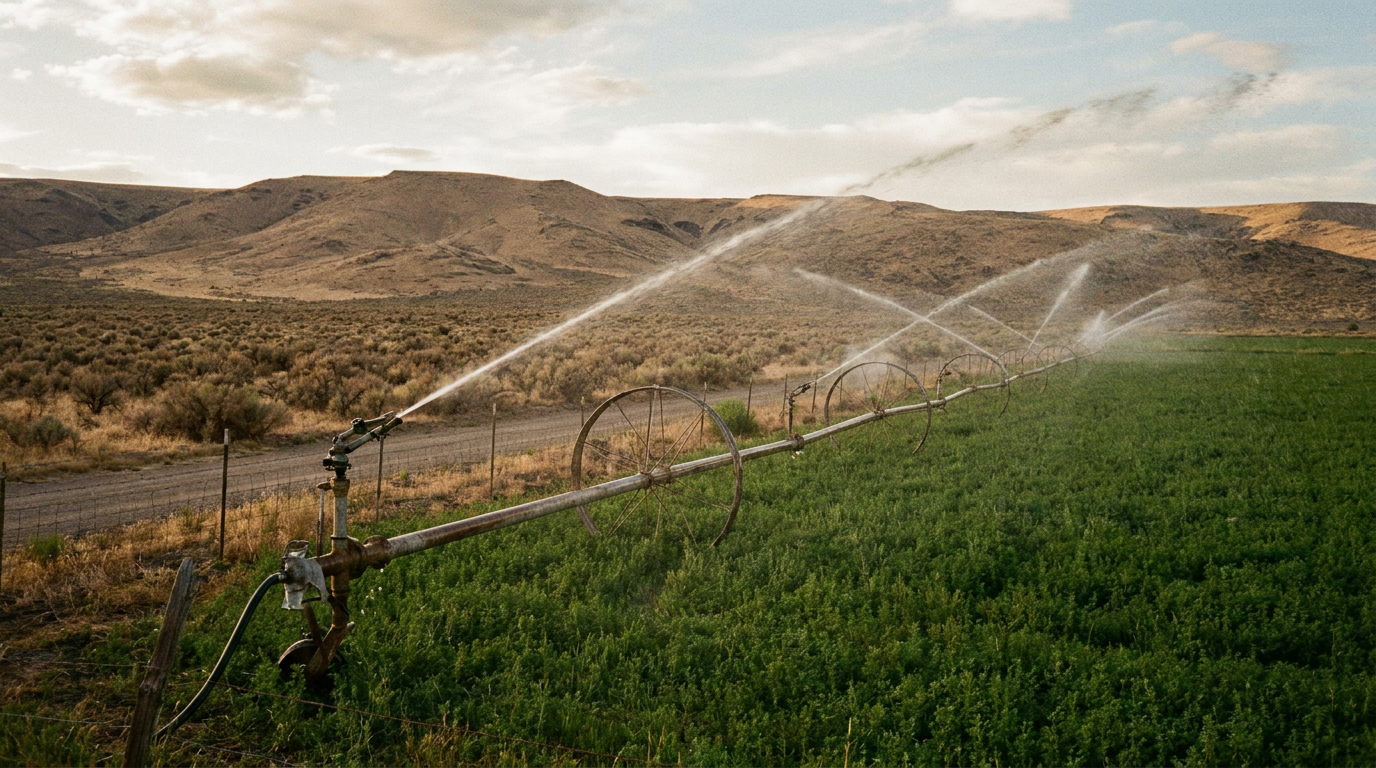
In Central Oregon, the Deschutes River lives two lives. The stretch through Bend looks healthy. A mile or two downstream, roughly ninety percent of it vanishes into pipes and canals. A recent investigation by OPB and ProPublica followed the water to determine where it goes and who benefits.
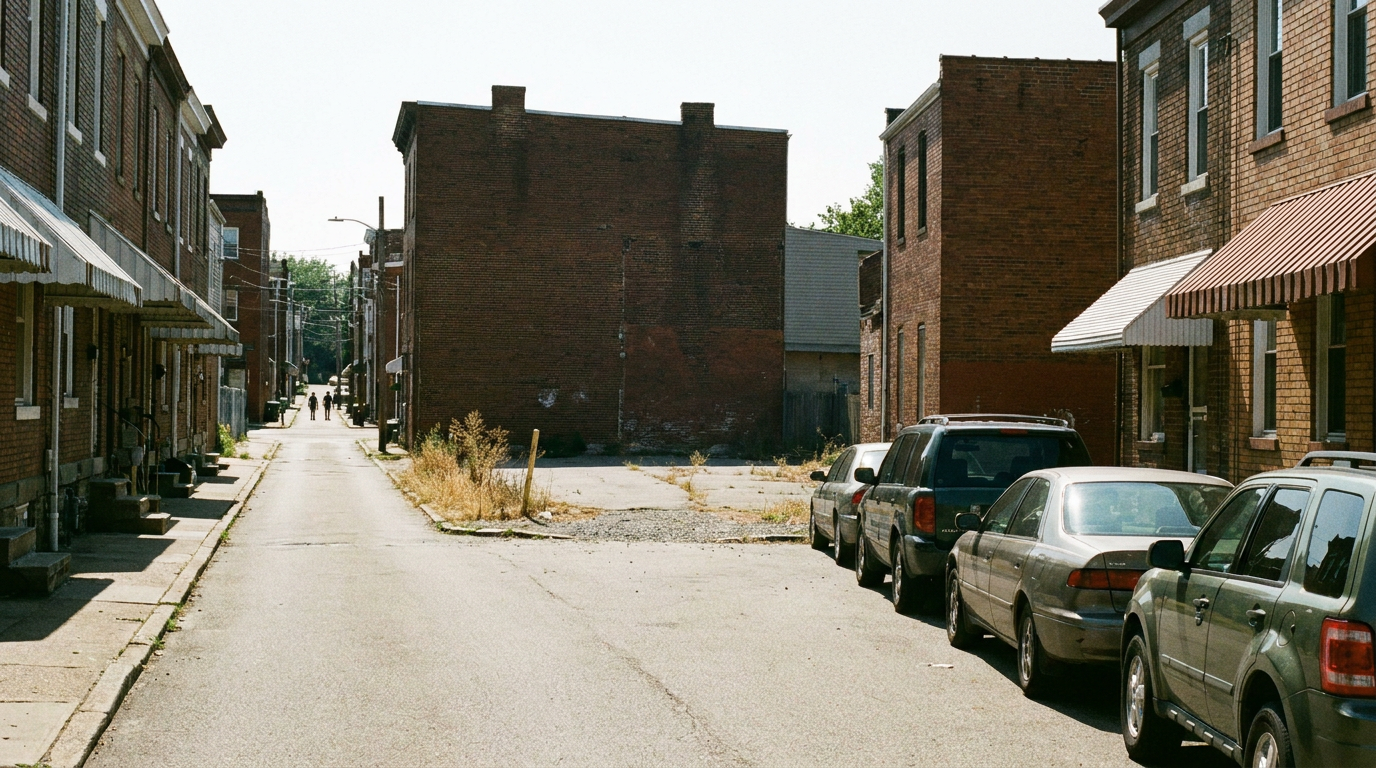
In Lawrenceville, a developer plans to build 15 apartments on a 3,300-square-foot lot on 49th Street, next to Stinky's Bar and across from the Locomotive Lofts. It's tiny by headline-making standards, yet it now faces a formal protest before Pittsburgh's Zoning Board of Adjustment, backed by a neighborhood attorney, a