
Power Gets You a Site. Politics Gets You a Project.
THE LUS TAKE | DATA CENTERS
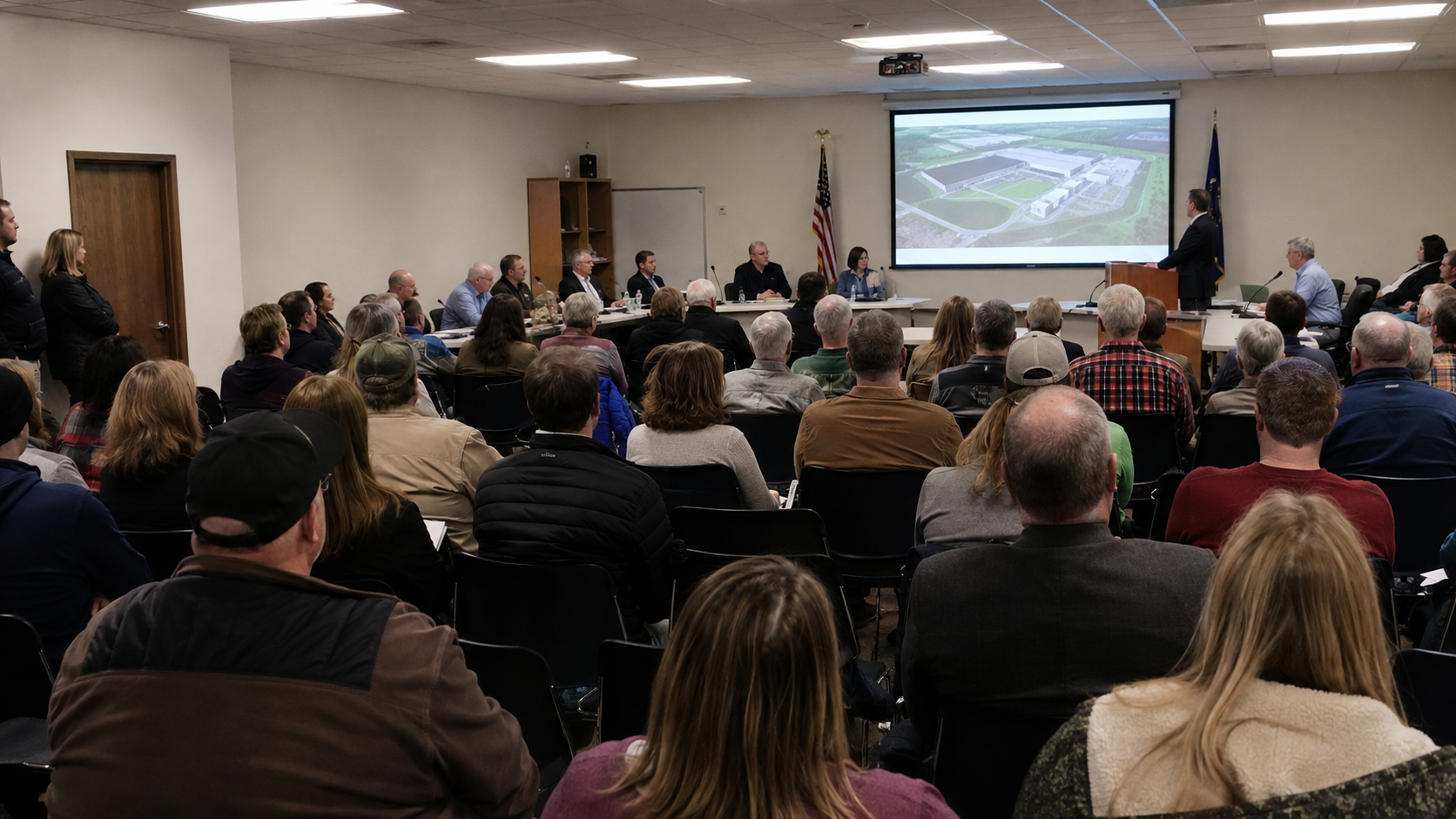
Across the country, data center developers are learning a hard lesson the rest of the land use world internalized decades ago: you can do everything right on paper and still lose at the podium. Communities from suburban Pennsylvania to the outskirts of Duluth are increasingly defeating data center proposals – not on engineering grounds, but on political ones.
One AI security project counted roughly $98 billion in projects blocked or delayed across 11 states in a single quarter, about two-thirds of the total it was tracking. Microsoft now lists “community opposition, local moratoriums, and hyper-local dissent” as an operational risk in its securities filings. The backlash has evolved from a local nuisance to a balance-sheet line item.
Here’s what most people in the industry miss. These projects aren’t dying because the numbers don’t work. In the Charlotte suburb of Matthews, North Carolina, a data center would have funded roughly half the city’s budget, and the developer brought environmentally friendly design features. It still got pulled before a vote, and the mayor said it would lose “999 to one against.”
A development team can show up with tax revenue, water-conservation commitments, and a willing power source, yet still walk away with nothing. When that keeps happening, the problem isn’t the project. It’s the approach to securing approval for it.
The fight is political, so treat it that way.
Data centers have quietly become the most contested land use in America. A 2026 Gallup poll found that about 70 percent of Americans oppose building a data center in their own neighborhood, a level of resistance higher than that for new nuclear plants. And unlike most land-use fights, this one crosses party lines.
On the left, the objection is environmental: water draw, emissions, and the diesel generators. On the right, it’s the tax abatements and the sense that a trillion-dollar company is receiving a public subsidy. Rising electric bills and grid strain unite both sides. That breadth is exactly what makes the opposition durable. A coalition that spans the political spectrum doesn’t fracture the way a single-issue group does.
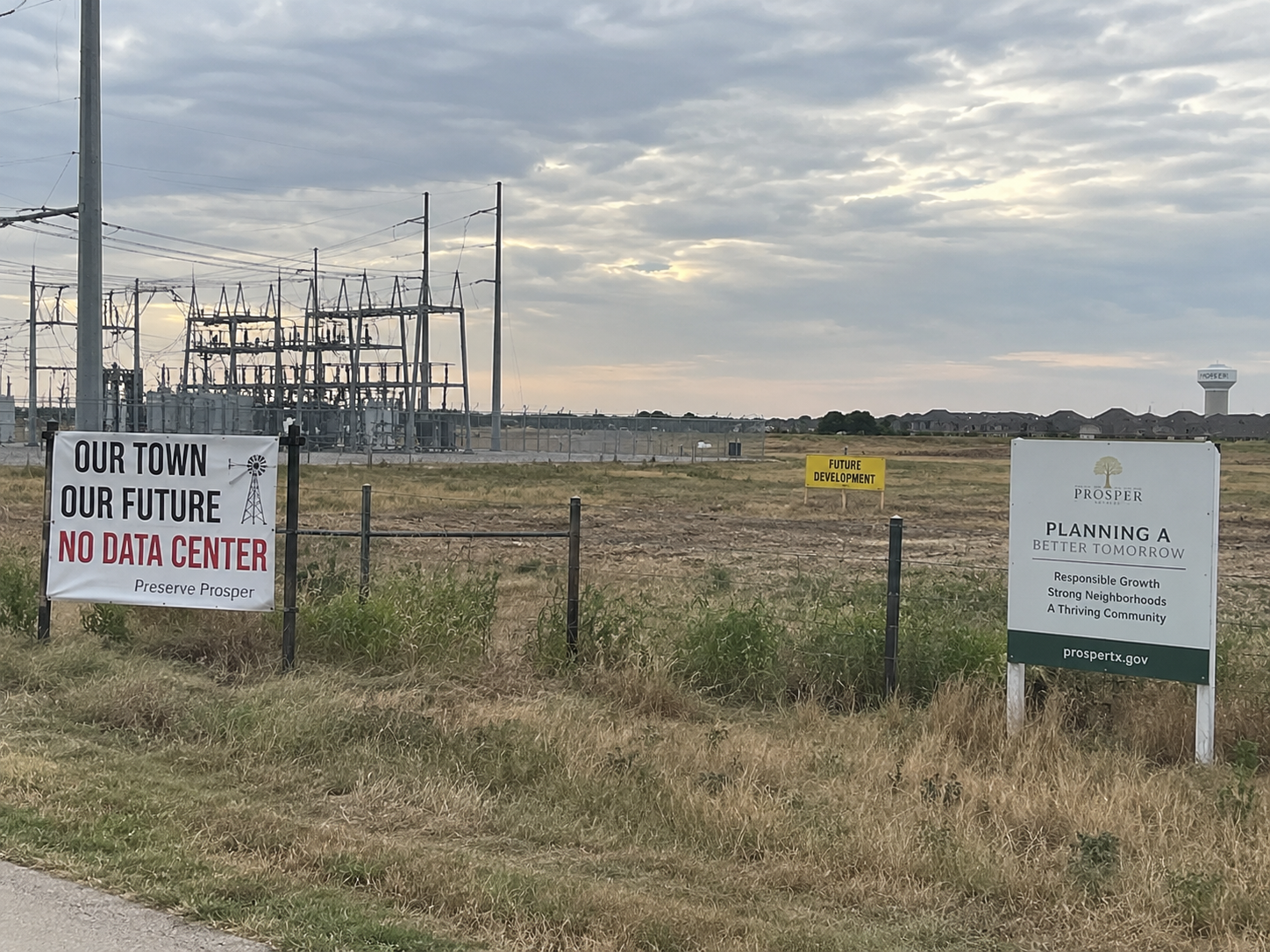
What we see again and again in contested entitlements is that opposition isn’t a mood, it’s an organization. Residents who feel blindsided find each other online, order yard signs, learn to navigate the public-comment period, and file the records requests that surface in every internal email. In Hermantown, Minnesota, neighbors discovered that state, county, city, and utility officials had known about a massive proposed campus for roughly a year before the public did.
The substance of the project mattered less than the secrecy surrounding it. As one resident put it, the secrecy drove people crazy. Once a community feels it has been handled rather than consulted, no amount of late-stage generosity can buy back trust. Opposition doesn’t disband when you finally show up with a good offer. It hardens into a permanent process: appeals, lawsuits, moratoriums, and a council that knows a yes vote ends its career.
This is the trap many developers are walking into right now. The instinct is to lock up the scarce, valuable asset first – the power interconnection – and treat zoning and community sentiment as paperwork to clear later. One developer told the Associated Press that firms are now considering selling sites the moment they secure power, because they’ve realized the interconnection is worthless if the project can’t survive the room. That’s the whole point.
Secrecy doesn’t buy time. It builds the opposition. The site with power and no community support isn’t an asset. It’s a liability with a substation attached.
What a developer should actually do.
If you’re building data centers or any other energy-intensive, large-footprint facility, the engagement playbook can no longer be an afterthought bolted on after the application is filed. It has to be the spine of the development strategy from site selection onward. A few principles we’d apply to a project like this:
Engage before you need anything.
The most common mistake is treating community outreach as a box to check right before the hearing. By then, the opposition is already organized, and you’re playing defense on their terms. Real engagement starts before the rezoning petition exists, when you can still shape the conversation rather than react to it. Water utilities in the UK have been blunt about this: water is considered last when it should be at the forefront of early thinking. The same is true of community sentiment.
Do the opposition research on yourself.
Before you file, you should know exactly who will oppose this, why, and what they’ll say – the water, ratepayer, property-value, and noise arguments. Map the likely coalition the way a campaign maps the opposing electorate. You cannot address concerns you haven’t anticipated, and “their concerns are baseless” is not a strategy. It’s how you lose a room.
Make transparency a weapon, not a vulnerability.
The industry’s reflex toward non-disclosure agreements and unnamed “Fortune 50” clients is actively manufacturing the distrust that kills projects. When the only way residents learn what’s coming is through a public records request, you’ve handed your opponents the most powerful message they have. Get ahead of it. Disclose water and energy figures on your own terms and in your own framing before someone else frames them for you.
Build a coalition, don’t just rent a podium.
Winning the council isn’t the same as winning the community. Matthews proved that a unanimous-looking staff recommendation means nothing in the face of an overwhelmed inbox. You need real local validators: businesses that benefit, labor that builds it, ratepayer protections that neutralize the bill-increase argument, and community benefits that are specific and enforceable rather than vague and promised. Localize the upside, because right now the tax revenue lands in one jurisdiction while the water draw, the generators, and the higher utility bills spread across the whole region. That asymmetry is the opposition’s best talking point. Take it away from them.
Control the narrative before the records request does.
Every contested project tells a story. The only question is whether you’re telling it or your opponents are. The developers who lose these fights are the ones who let “secret deal with Big Tech” become the story while they stayed quiet and hoped the economics would speak for themselves. They never do.
None of this is unique to data centers. It’s the same discipline that decides contested housing, energy, and infrastructure entitlements everywhere, with earlier engagement, honest opposition research, a real coalition, and a narrative you actually drive. Data centers are simply the newest arena where developers are discovering that securing the land and the power is the easy part. Securing public and political permission to use them is the work.

At Land Use Strategies, we run pre-entitlement campaigns for exactly these situations – energy-intensive, high-opposition projects where local sentiment can decide the outcome before the engineering even gets a hearing. If you’re siting a data center or any large facility in a community that’s paying closer attention than it used to, it’s worth a conversation about how to win the room before the room organizes against you.