Streamlining Is Not a Property of Your Project
California lawmakers sent Senate Bill 954 to the governor’s desk this week, and coverage has settled into a familiar pattern. Environmental groups call it a workable compromise, while business groups say it goes too far.
As CalMatters reported, the bill narrows the advanced manufacturing exemption from the California Environmental Quality Act, created last year in SB 131, by reducing the number of facilities that can skip environmental review and adding protections for nearby communities.
Read as a political scorecard, this is about who won. Read as a land use document, it is more useful and more uncomfortable for anyone holding a site.
The Risk Starts Before the Application
SB 954 does not sort projects only by what they are. It sorts them by conditions that exist before a project is conceived.
The first is a zoning history frozen at a point in the past. To qualify, a facility must sit on land already zoned industrial as of January 1, 2026. Commercial parcels cannot be rezoned to qualify. That is not a standard a sponsor can satisfy through better design or mitigation. It is a snapshot, and the shutter has already closed.
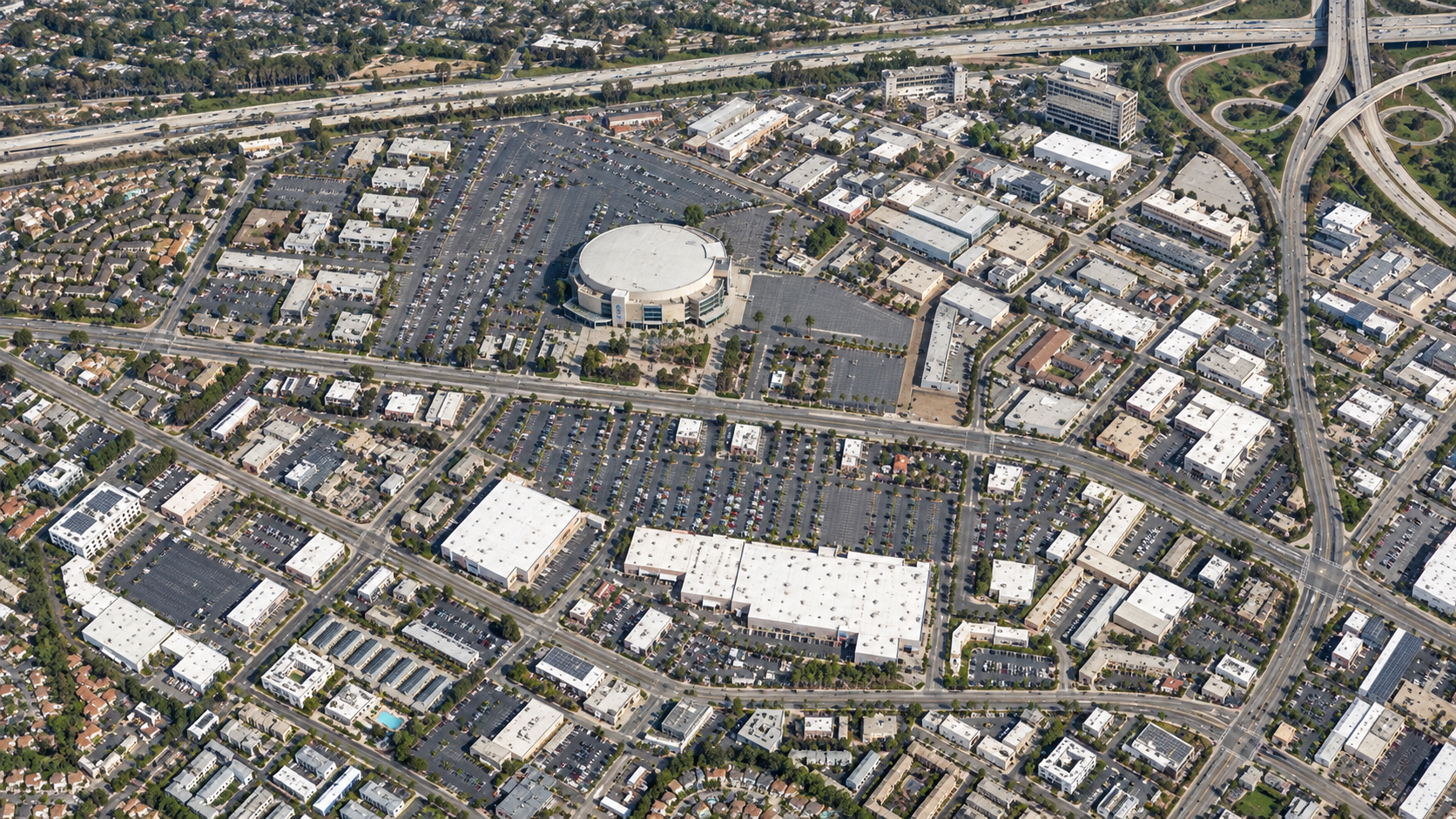
The second factor is proximity. The exemption is blocked for facilities near disadvantaged communities and areas where people live and work. Eligibility depends on the radius, not merely on the use. Two otherwise identical facilities can fall on opposite sides of the line because of what surrounds them.
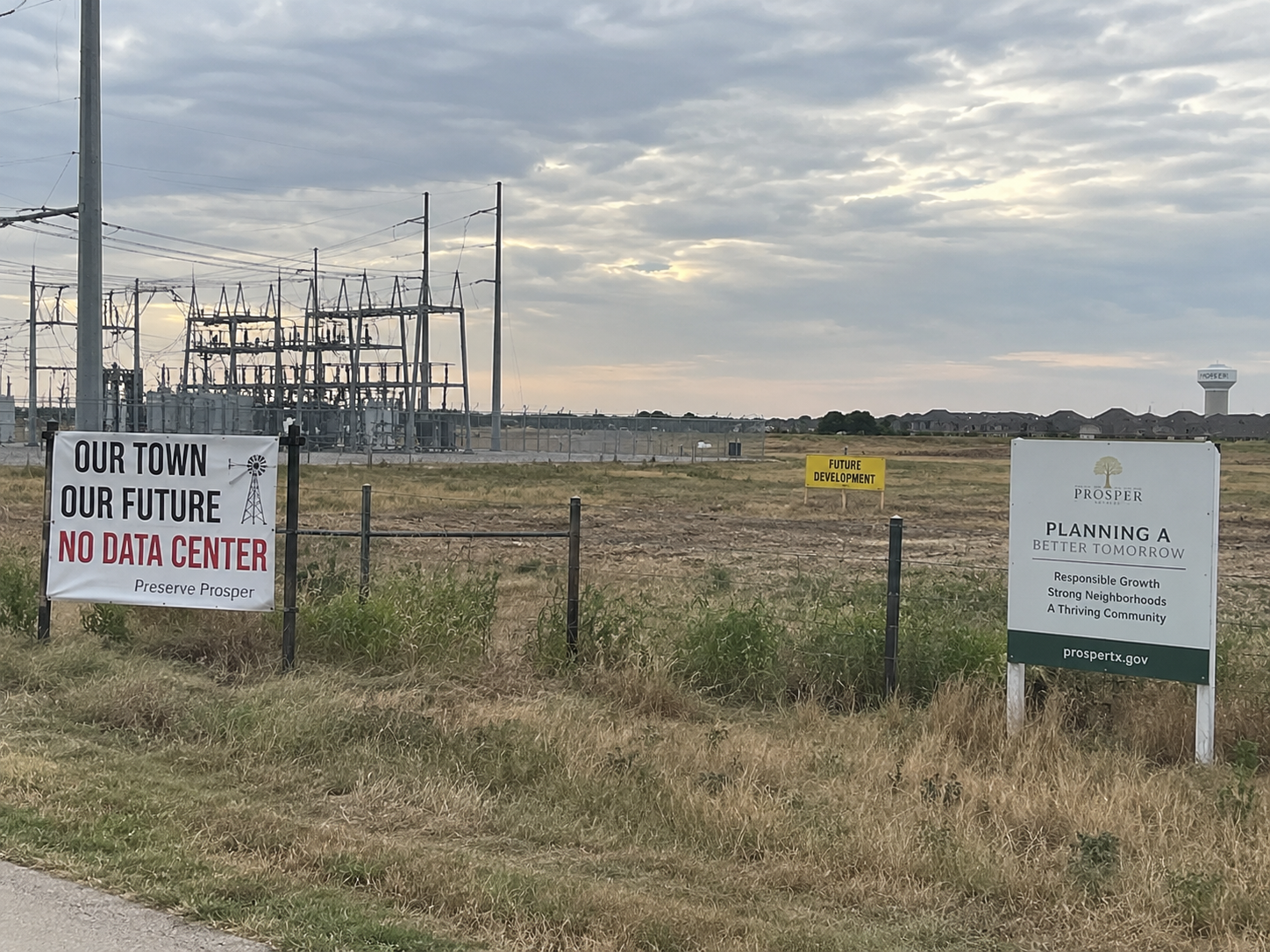
The third category is the bill's limitation of the exemption to final-tier manufacturing and its exclusion of data centers by name. Data centers were not measured out of the exemption. They were named out of it, which is harder to engineer your way past.
These are the conditions a site carries before anyone underwrites it. The question for a California sponsor has shifted. It is no longer only: What can I get approved here? It is also: What did this parcel already have on a date that has passed?
The Second Lesson Is About Durability
SB 131 passed in 2025 amid budget pressure, after the governor made approval of a roughly $300 billion spending plan contingent on sweeping CEQA changes. More than thirty lawmakers objected to its breadth and pledged to narrow it the following year. SB 954 is keeping that promise. Thus, the broad version of the exemption lasted about one legislative cycle.

Anyone who built a 2025 pro forma around SB 131 in its original form has seen a key assumption shift without a hearing on their project. The entitlement math changed in Sacramento while the site sat still.
This is the exposure that operators consistently underprice. Regulatory relief born of a difficult political bargain is rarely permanent. The coalition that lost the first round did not disappear; it returned with time, organization, and legislators already on record.
Housing provisions were also removed after concerns raised in the appropriations committee, while manufacturing absorbed the narrowing. That is a read on which coalitions are load-bearing in Sacramento and where future narrowing may land.
What To Actually Do About It
Four moves matter.
Add a regulatory history screen to the site selection process. Alongside title, environmental, and utility diligence, determine what a parcel’s zoning classification was on any date tied to statutory relief. It is cheap to check and impossible to fix later.
Screen the neighbors, not just the parcel. If streamlining depends on proximity to housing, schools, or designated communities, surrounding parcels are part of your entitlement risk. Map what is entitled but not yet built.
Stop underwriting streamlining as a fixed input. Model the case where the relief you rely on is narrowed or removed, and know how that affects the timeline and carry. If the deal stops working, you do not have a streamlined project. You have a position under a statute.
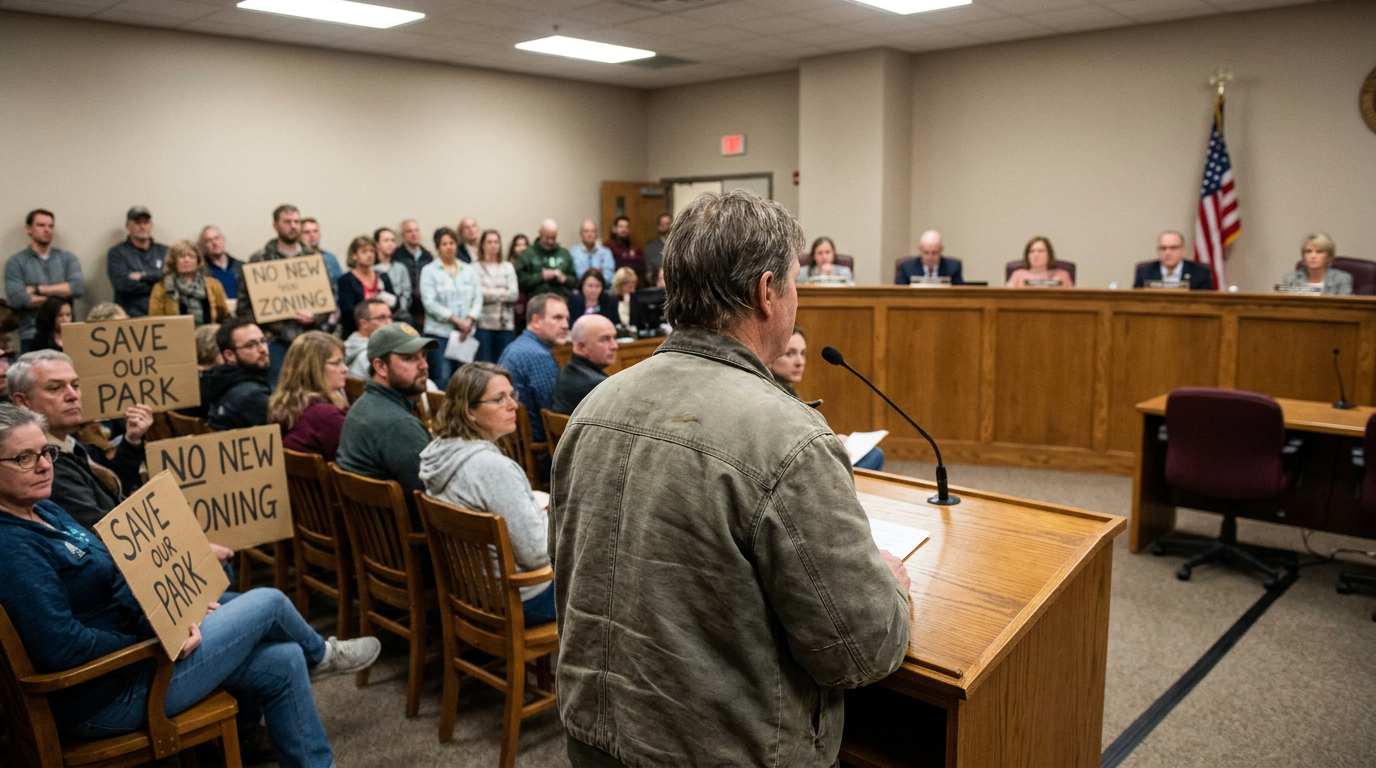
Build the political case anyway. Sectors that generate concentrated, visible opposition are more likely to be carved out of relief. That is a coalition and communications problem, solved before a bill is drafted, not during floor amendments.
The Larger Pattern
There is a temptation to read every CEQA cycle as more streamlining or less. That is not what is happening.
California is building a more differentiated system in which some project types move quickly while others remain subject to environmental review and scrutiny. The sorting criteria increasingly focus on place, proximity, and category rather than the merits of an individual application.
For sponsors, the entitlement advantage is shifting upstream to acquisition, site selection, and the public standing a sector builds before filing an application.
Streamlining is not a property of your project. It is a property of your parcel’s past.
SB 954 now sits with the governor. Whether he signs it matters to projects on the bubble this year. The sorting logic it represents will outlast the signature, either way.
At Land Use Strategies, we have spent three decades helping developers and project sponsors anticipate shifts like this early and build the public and political support that makes approval durable rather than merely obtainable. If you are holding sites in California and want a clearer view of where your regulatory assumptions are exposed, we are glad to talk.
Recent Posts