THE LUS TAKE • AI DATA CENTERS
Beyond the Check: How to Turn a Community Benefits Agreement Into a Community "Yes"
AI data center developers are putting serious money on the table to win community support, and the numbers are remarkable. Last month, NorthPoint Development announced a $165 million community benefits package for a project in Hazle Township, Pennsylvania. The offer included something you rarely see: $10,000 in cash for every resident once the facility receives its certificate of occupancy, plus a $15 million community support fund and $7 million per year for fifteen years. In Virginia, a developer reportedly offered to pay 143 homeowners $4.4 million each to clear the way for a data center. It's an encouraging shift as developers recognize that communities deserve to share in the value these projects create.
The pattern worth understanding, though, is that larger checks, on their own, aren't moving the needle as you'd expect. As a licensed agent quoted in the reporting put it, "$10,000 doesn't turn off the ringing that runs 24-7." That tension helps explain why more than 70 state and local governments have restricted or banned AI data center development, why New York just became the first state to impose a moratorium on hyperscale facilities, and why 25 data center projects were canceled last year, roughly four times the number canceled the year before. The money is bigger than ever, and approvals are still getting harder.
Here's what the developers who win
consistently understand.
A CBA ratifies trust. It doesn't manufacture it.
A community benefits agreement is a closing document. It works when it puts a signature on a relationship that already exists, after the community has spent months getting to know the developer, testing their claims, and deciding they can live with the project. In that context, the CBA is the community writing down its own terms. It's leverage exercised, not leverage bought.
What the industry is doing right now is the opposite. It's reaching for the CBA as an
opening move to persuade people who don't yet trust them, haven't been consulted, and, in NorthPoint's case, have already said no once. When a large check arrives before the relationship does, residents don't read it as generosity. They read it as a company trying to buy its way out of a problem it never did the work to prevent. The exact same $10,000, offered at the exact same project, lands as a bribe in one sequence and as a partnership dividend in another. The dollar amount is identical. The political outcome is opposite. Sequence is everything.
Look at the structure of the Hazle Township offer, and you can see the mistake baked right in. The $10,000 pays out after the certificate of occupancy, meaning after the project is built, after the fight is over, and after the developer has already gotten everything it wanted. But residents are being asked to trust the developer before the vote, when the outcome is still uncertain and their anxiety is highest. The money shows up at the moment it can do the least to build trust, because it's contingent on the very approval it's supposed to earn. That's not a benefits package. That's a wager residents can only collect on if they help the developer win first.
Residents do the math, and they're not wrong to
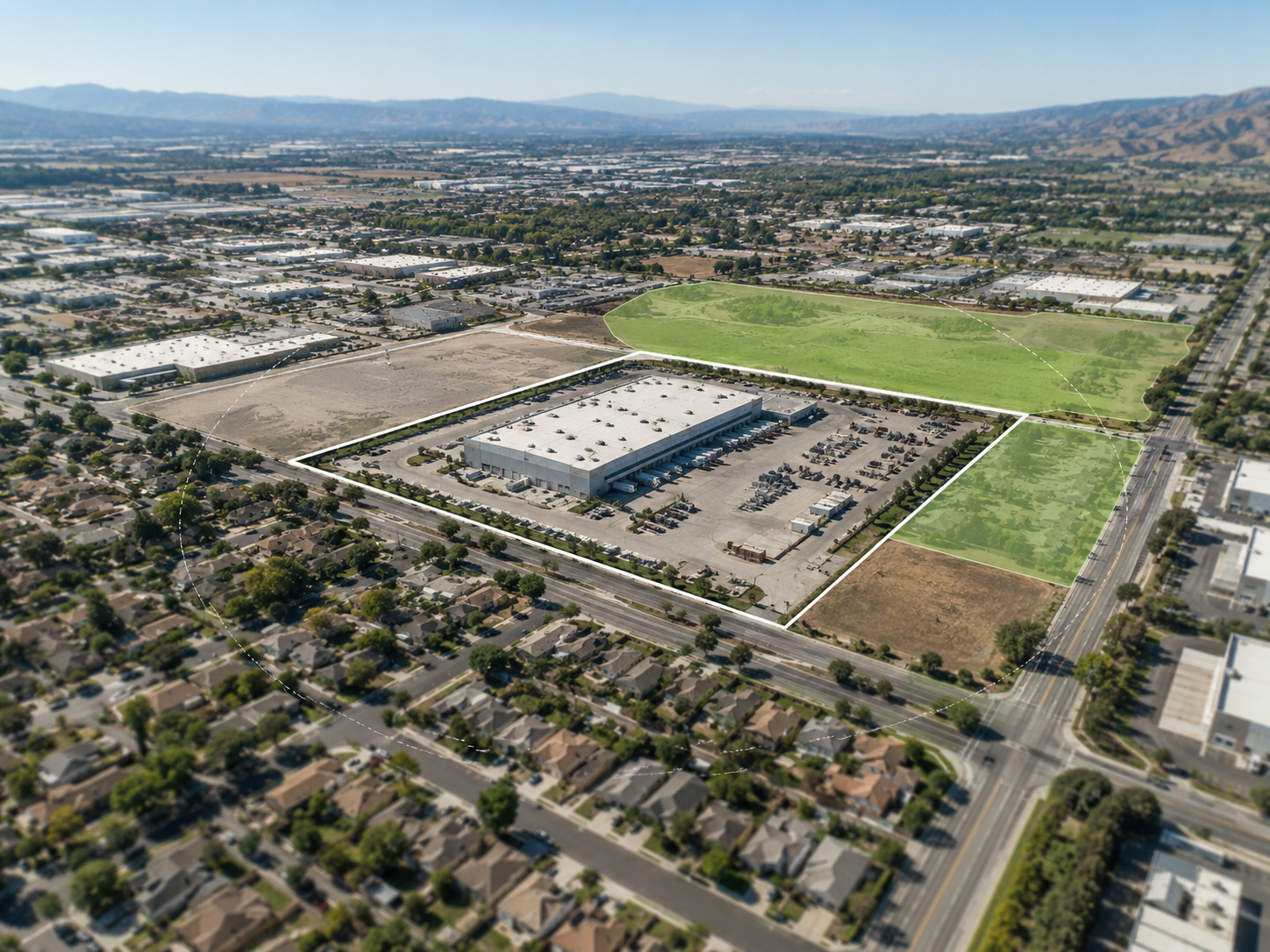
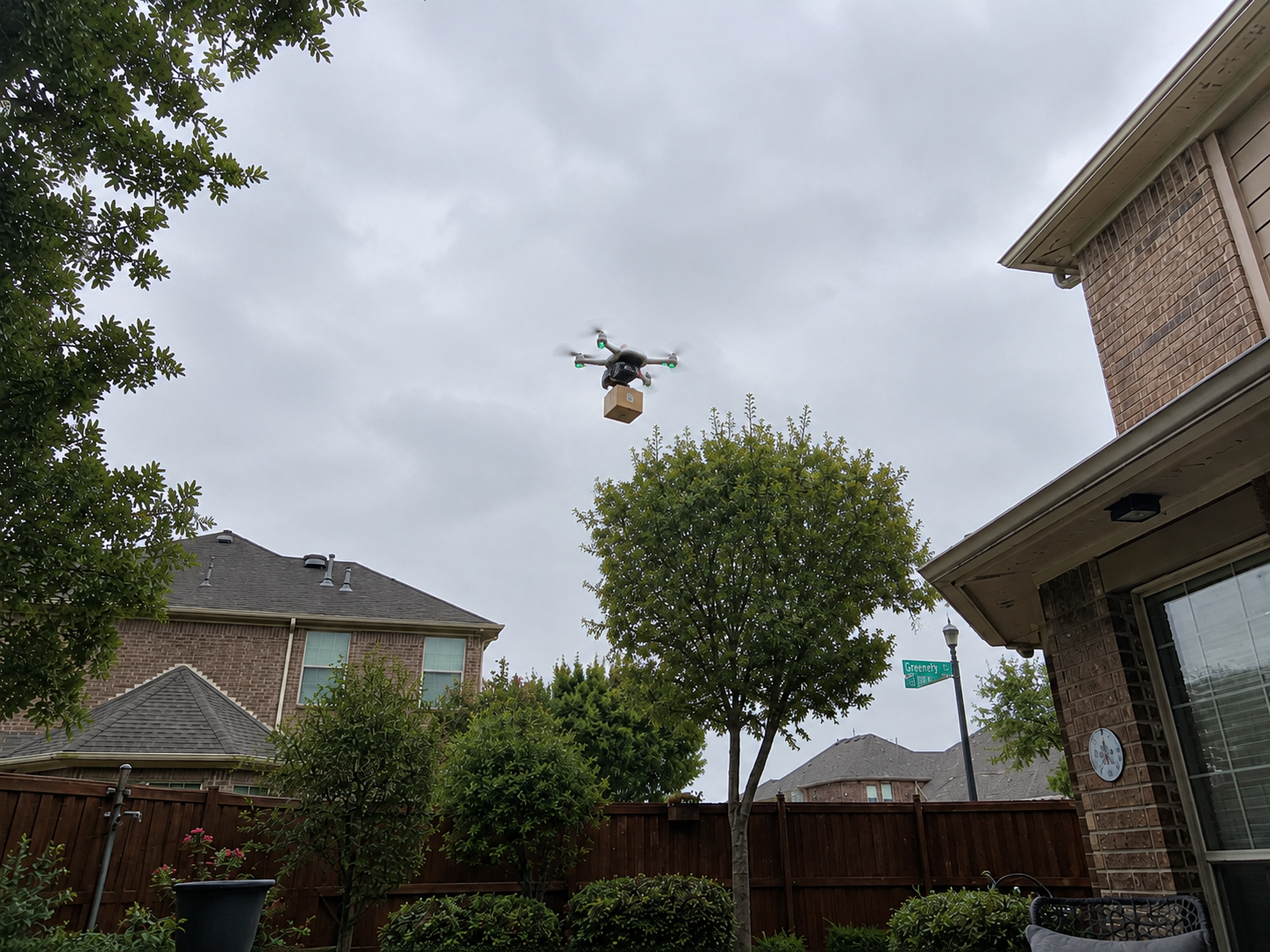
Opponents of these projects aren't irrational, and it's a mistake to treat them that way. Homeowners run the numbers on a data center the same way an appraiser would: a permanent, 24/7 industrial neighbor with its noise, water draw, power demand, and truck traffic, like living next to the single largest asset most families will ever own. A one-time check, however large, doesn't change the permanent math. The nuisance compounds every year. The payment happens once.
This is why leading with cash can quietly work against even the most well-intentioned developer. It signals to the community that you see the problem as a price rather than an impact. The moment residents sense you're pricing your way past their concerns instead of addressing them, you've confirmed the opposition's central story: that the developer sees the neighborhood as an obstacle to be paid off, not a partner to be worked with. Every organized opposition campaign we've ever watched wants exactly that narrative. A clumsy, oversized, poorly-timed check hands it to them for free.
There's a second trap the reporting points to that few sponsors see coming. Communities now compare notes. They can find out what deal the next town got, and that comparison creates a ratchet, with each package having to top the last. That sounds like a problem only for the developer's budget, but it's worse than that: it locks both sides into deals that were never the right fit for the actual project, negotiated against someone else's numbers rather than this project's real impacts. An arms race sets the terms. Nobody sets them on purpose.
What residents should understand — and what sponsors should do
Let's be clear about one thing, because backlash risks overcorrecting: a community benefits agreement is not a scam. Residents shouldn't conclude that CBAs are inherently manipulative or that any developer offering one is trying to pull a fast one. A well-crafted CBA is one of the most powerful tools a community has to turn a project it can't stop into one that genuinely serves it, such as better roads, funded schools, a broader tax base, and enforceable protections. The problem is never that CBAs exist. The problem is when the check is the only tool a developer brings, used as a substitute for the harder, slower work that actually earns a yes.
That harder work is where projects are won. For a data center sponsor, or any developer carrying a high-impact project into a skeptical community, the sequence that works looks like this.
Start the relationship long before you need a vote, twelve to eighteen months in advance, not after a rejection. The single biggest tell in the Hazle Township story is that the $165 million arrived after the no. Money offered as a rescue always reads as desperation; the same money offered as the product of a long, visible partnership reads as commitment.
Lead with operational commitments, not cash. The concerns fueling this backlash are concrete, including noise, water, power, and construction disruption. The most durable agreements now pair benefits with enforceable covenants: noise caps, water-use limits, energy standards, and real penalties for breaches. Address the actual fear first, and the money that follows becomes credible rather than suspicious. As one municipal advisor in the piece noted, the best agreements are built through close consultation with the community as a long-term partnership, not assembled as a big-number offer and dropped on the table.
Structure the benefits to be ongoing and accountable. A lump sum at certificate of occupancy is the least persuasive form money can take. Phased commitments tied to accountability metrics, money that keeps flowing only as long as the developer keeps its promises, tell residents you expect to be held to account, which is exactly what someone building trust would offer.
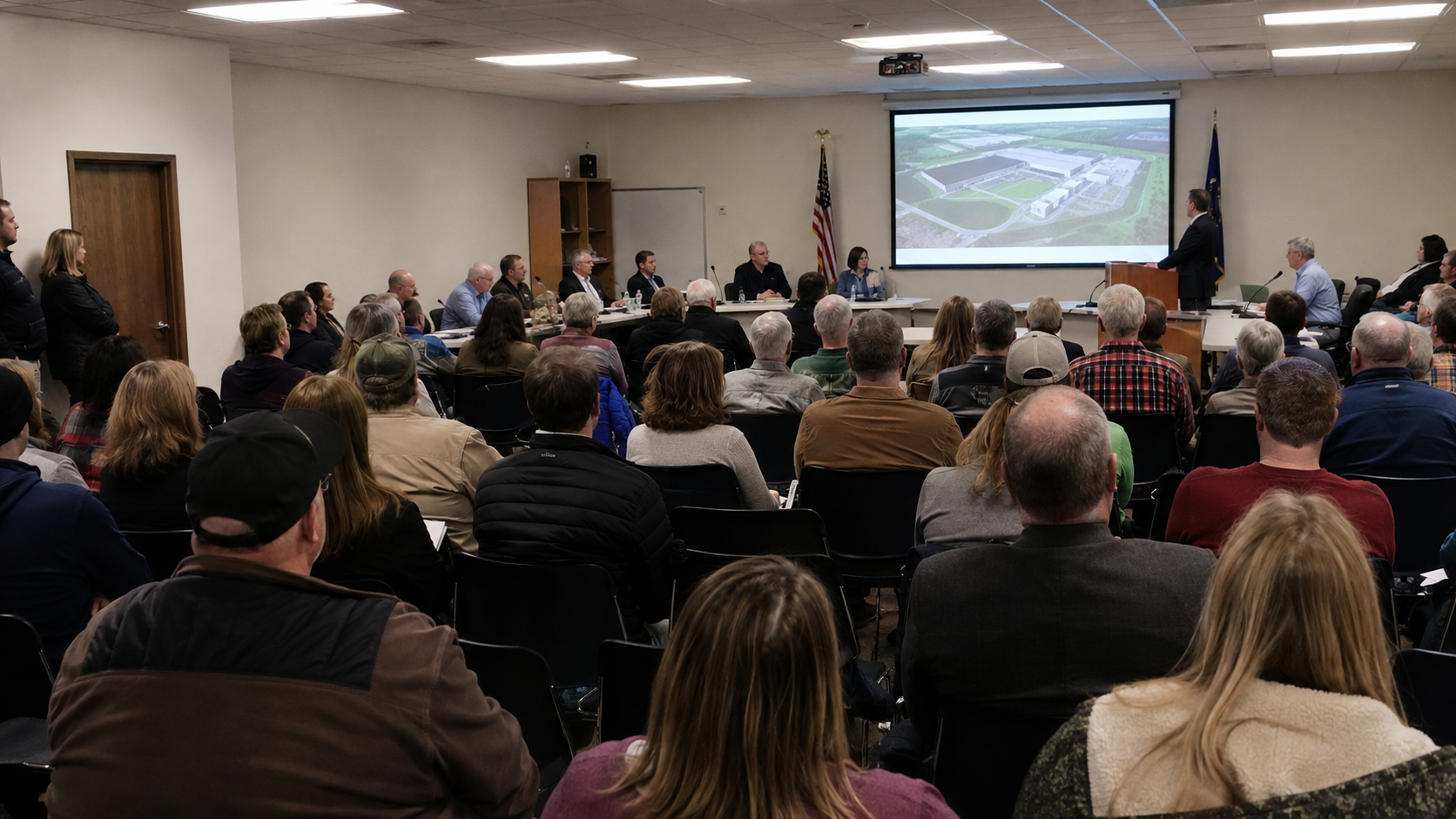
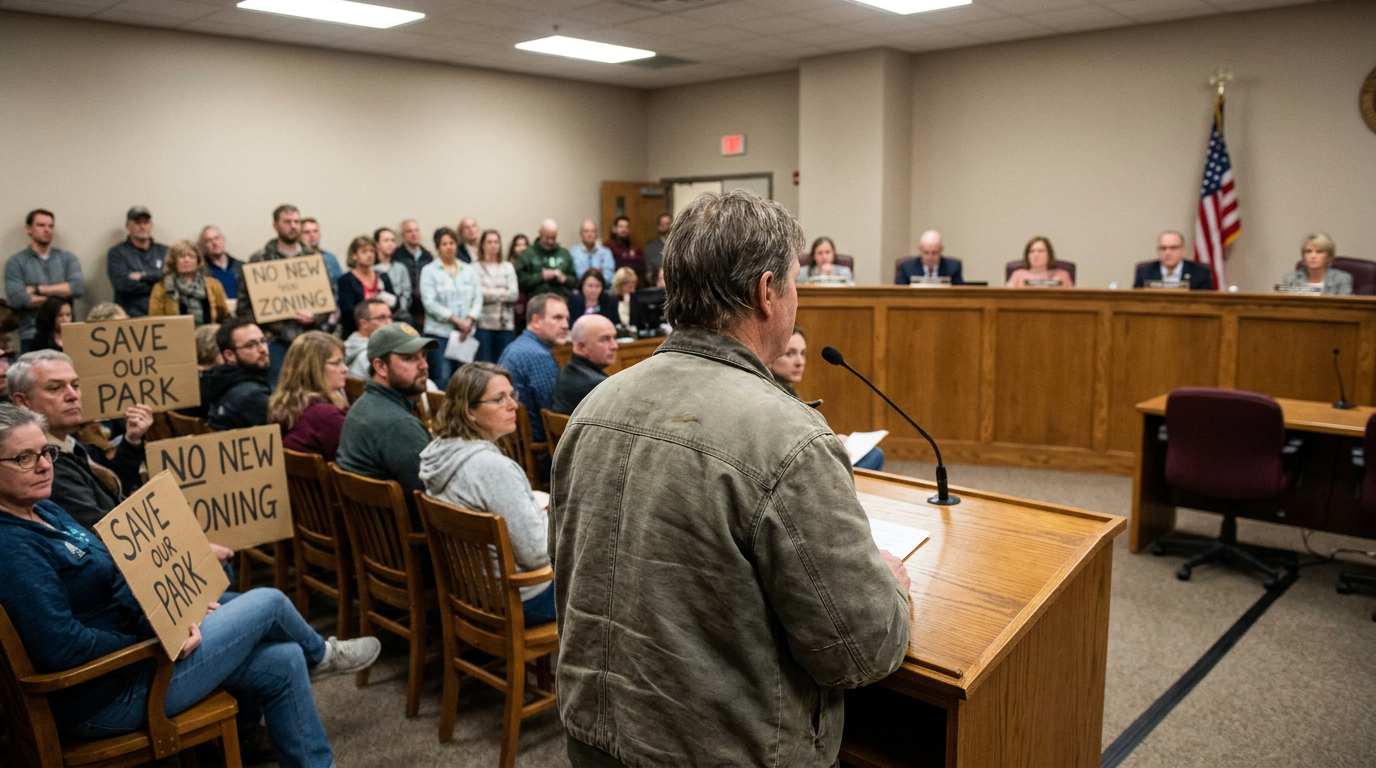
Find the trusted local validators early. In a hearing room, the messenger matters far more than the message. A benefits package described by the developer is a sales pitch. The same package endorsed by a respected local voice who helped shape it is social proof. Coalition-building turns a room, and it can't be bought at the last minute.
Do the opposition research up front so your agreement addresses the objections people actually have, not the ones you imagine. A CBA negotiated in the dark, against a competitor's headline number, solves the wrong problem. A CBA built on a real map of local sentiment solves the fight in front of you.
The developers writing these enormous checks aren't wrong that community benefits matter. They're wrong about what a check can do. It can seal a deal. It can't start one. The trust that determines whether your project lives or dies is built long before the CBA is signed, through the relationships, consultation, and the credibility you either earned early or tried to buy too late.
That's the work we do, and it's the work that's getting harder to skip. If you're bringing a data center, energy, or other high-impact project to a community where sentiment could decide the outcome, let's talk before the checkbook comes out, not after the first no.
Recent Posts