Your Public Affairs Record Is Now a Credit Document
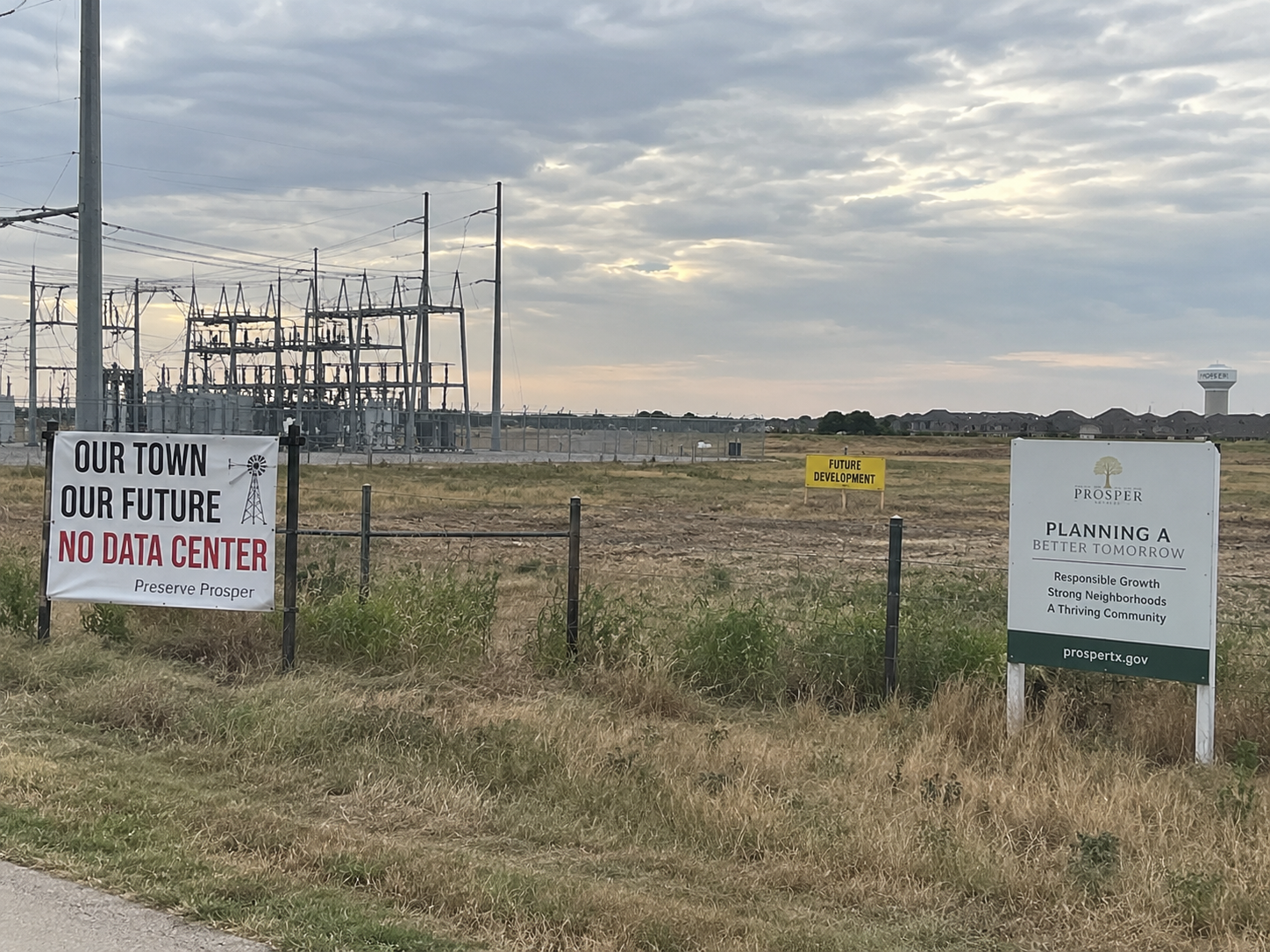
Reuters reported this week that the banks financing the U.S. data center boom have added a line to their diligence checklists: political and community opposition. Karen Fang, who runs infrastructure and sustainable finance at Bank of America, told Reuters she looks at two things: project readiness and credit quality. She defined readiness as the permits and approvals a project needs, plus the support of the people who will live around it. Research firm Data Center Watch counted at least 75 projects worth roughly $130 billion facing local opposition in the first quarter of 2026 alone.
The easy read is that capital is getting cold feet. It isn't. The same reporting has Goldman Sachs projecting more than $6 trillion in AI buildout spending through 2030, and a senior banker at a foreign lender saying investors are growing comfortable pricing in cancellation risk because demand for compute holds. Lenders are not walking away from the sector. They are pricing something they used to ignore.
That is the shift worth understanding. Community opposition has shifted from a schedule risk to a credit input. These are not the same problem, and they do not have the same solution.
Two readers, one record
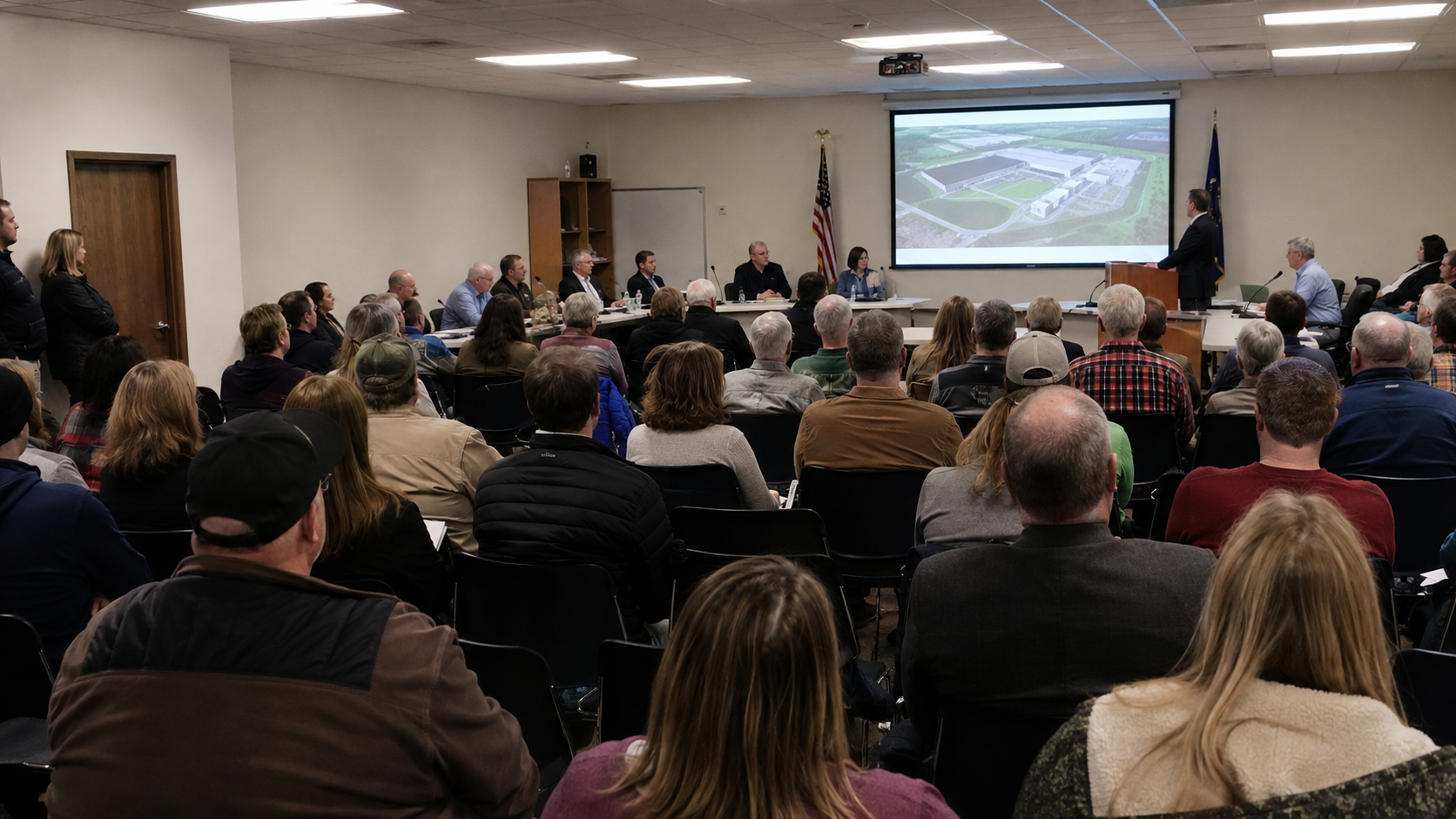
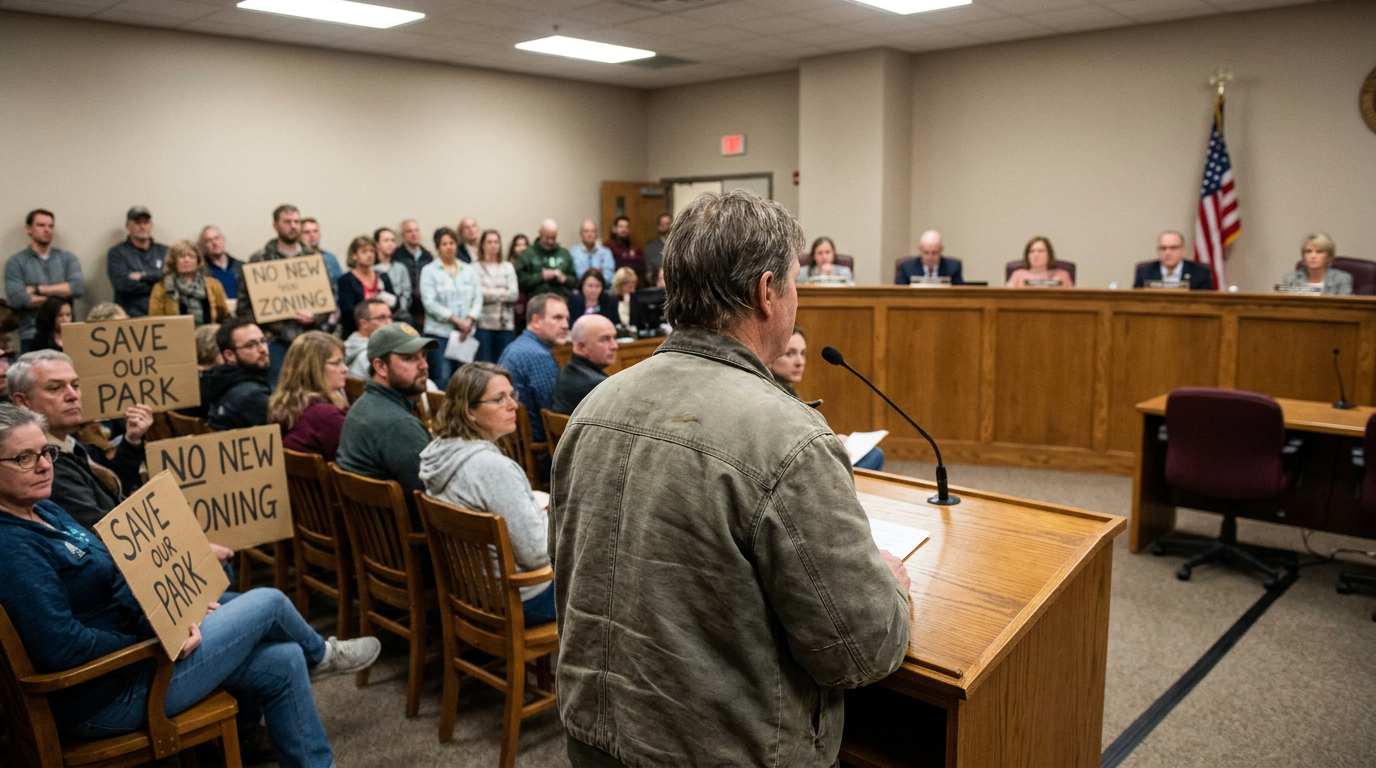
For as long as we have been doing this, the public affairs question has been: can we win the room? The room was a planning commission, a council chamber, or a county board. Opposition cost you hearing cycles, redesigns, conditions of approval, and occasionally the project itself. Painful but bounded and negotiable, because there was always someone across the table with a vote you could work toward.
There is now a second reader of the same record. It sits on a credit committee. It does not attend your hearing, take public comment, or hold a workshop, and its decision cannot be appealed. It reads the local coverage, the comment record, the moratorium calendar, and the political temperature of your jurisdiction, and then it prices them.
The sequencing is what should reorganize how sponsors work. Reuters notes that banks typically open funding conversations at least a year before construction begins, with recurring conversations as the project progresses. This means your community record is being read while you are still creating it. By the time you step to the podium, the file already exists, assembled from things you did before you knew anyone was reading.
What the file looks like from the credit side
Three specifics from the reporting make this concrete.
QTS, the Blackstone-owned operator behind the now-terminated Prince William Digital Gateway in Virginia, never approached lenders for bank financing for that project, a source told Reuters. The project had faced strong local opposition. The financing conversation did not fail. It never started.
CyrusOne's $9.7 billion warehouse credit facility, arranged in part by Morgan Stanley and KKR Capital Markets, includes a safeguard: part of the facility can be used for new construction only after all permits and leases are in place. That is opposition-driven delay converted directly into carrying cost. Every month the fight runs long is a month when capital sits behind a condition.
And bankers told Reuters they are leaning toward states that are more welcoming to data centers. The local political climate is now a siting input, priced in before a site is chosen.
Be precise about what this is
It is tempting to describe this as opponents laying siege to Wall Street. Nothing in the reporting supports that. There is no organized campaign aimed at a credit committee. What is happening is simpler and more durable: lenders are reviewing publicly available conditions on their own initiative and adjusting terms accordingly.
That makes it harder to fight, not easier. You can negotiate with a council member or out-organize an opposition group. You cannot appeal a spread.
What to actually do differently
Build the record as a document, not a feeling.
“The community is with us” is not diligence-grade. What survives a cold read fourteen months later is specific: dated meeting logs with attendance counts, letters of support from named organizations with real standing in the jurisdiction, the actual ratio of supportive to opposing comments at hearings, and elected officials on the record. Assume a stranger in New York will read the file without context and without you in the room to explain it.
Move political intelligence ahead of site control.
If jurisdictional climate is being priced, your entitlement risk assessment has become a capital markets assessment. Who sits on the council, who is up for reelection, how the last three contested land-use votes went, and whether there is an active moratorium with a clock on it that belongs in underwriting, not in the post-acquisition scramble.
Map stakeholders the way a lender reads them.
Not everyone who shows up at a hearing carries the same weight in a file. Institutions with durable standing, like labor, chambers of commerce, school districts, utilities, and neighborhood associations with real membership, register as structural support. A coalition on the record is a credit asset in a way that a quiet neighborhood never will be.
Address the concerns actually being raised, early.
Reuters lists them plainly: noise, appearance, power bills, water use. Operators are already pre-empting, with some considering on-site power generation before opposition organizes. The transferable lesson is not about generation. It is that a concession designed in advance reads as diligence, while the identical concession extracted under pressure reads as damage control. Same dollars, different file.
Treat local communications as investor-facing.
Whatever you say in a community meeting or in a local paper is what a diligence team will eventually find. Consistency between the story you tell a neighborhood and the one you tell a bank is no longer only an integrity question. It is an underwriting question.
This does not stay in one sector
Data centers are simply where this surfaced first and hardest. The capital requirements are enormous, the timelines are compressed, and the opposition is nationwide. The same logic applies to any capital-intensive, locally contested asset class: waste, energy, transmission, heavy industrial. If your projects need debt and sit in places where people vote, the record you build in the community will be read by someone wearing a very different hat than the one you prepared for.
We have spent thirty years building those records on purpose rather than by accident. If you are underwriting a project where local politics is a live variable, we are glad to talk it through.
Recent Posts